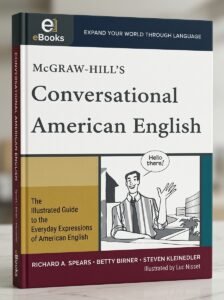
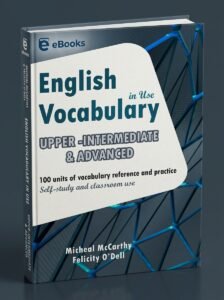
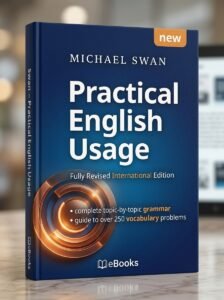
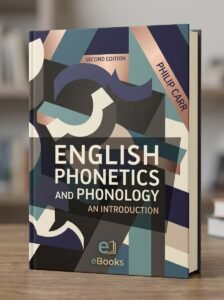
Description: Mastering English requires avoiding frequent slip-ups. I Fluent English 106 Common Errors is your blueprint to eliminating embarrassing mistakes. This guide targets pronunciation, grammar, and syntax issues that block fluency. Below, we break down five critical error zones using insights from this essential resource.
Why Word Order Distorts Your Meaning
Incorrect sentence structure confuses listeners. I Fluent English 106 Common Errors highlights how placing adjectives after nouns or misordering question words ruins clarity. For example, “What you are doing?” should be “What are you doing?”. Similarly, “She sings beautifully very” must become “She sings very beautifully.” English follows Subject-Verb-Object strictly. When you invert or scramble positions, native speakers struggle to follow. Practice with short declarations first, then add modifiers. Proper word order instantly boosts comprehension and makes you sound confident, not confused.
Prepositions That Trick Every Learner
Prepositions are small but powerful. I Fluent English 106 Common Errors notes errors like “discuss about” (just “discuss”) or “depend of” (“depend on”). Time prepositions cause chaos: “in Monday” (should be “on Monday”) or “at the evening” (“in the evening”). Direction prepositions also trip learners: “go to home” (“go home”) is a classic mistake. The solution? Learn prepositions in short phrases, not alone. Pair “interested in” with art, “good at” with sports. Master these tiny words, and your fluency leaps forward without awkward pauses.
Verb Tense Consistency Failures
Shifting tenses mid-sentence destroys narrative flow. I Fluent English 106 Common Errors warns against “Yesterday I go to market” (should be “went”) or “She has eaten lunch yesterday” (past simple needed). Present perfect confuses many: “I have seen him last week” is wrong—use simple past “I saw him last week.” Conditionals are another minefield: “If I would be rich” should be “If I were rich.” Stick to one timeframe per clause. Review irregular verb tables weekly. Consistent tenses make your speech logical and professional.
False Friends and Vocabulary Blunders
Words that look familiar but mean something else cause real trouble. I Fluent English 106 Common Errors cites “actually” (not “current”), “sensible” (not “sensitive”), and “library” (not “bookstore”). Using “eventually” to mean “possibly” changes your message entirely. These false friends often come from Romance languages. The fix is deliberate contrast: list your native language’s false cognates with correct English equivalents. Replace vague words with precise ones. Clean vocabulary reduces misunderstandings and raises your IELTS or TOEFL scores naturally.
Pronunciation Pitfalls That Break Rhythm
Mispronouncing vowels or stressing wrong syllables makes you hard to understand. I Fluent English 106 Common Errors targets “comfortable” (say “KUMF-tur-bul,” not “com-for-ta-ble”) and “vegetable” (three syllables only). Word stress shifts meaning: “RE-cord” (noun) vs. “re-CORD” (verb). Silent letters in “knife,” “psychology,” and “doubt” are common traps. Practice with minimal pairs like “ship”/“sheep.” Record yourself reading aloud. Correct rhythm and stress let you join conversations naturally, without repeating yourself. Master these 106 errors systematically, and fluent English becomes your daily reality.